


Every business has a list it isn’t using: past customers, people who inquired and never bought, subscribers who signed up and heard nothing. Acquiring a new customer costs real money in ads and search; bringing back one who already trusted you costs a message. And yet most businesses spend everything on the first and nothing on the second.
Email and text are also the only channels you own. Social reach depends on an algorithm, search depends on Google, ads depend on budget. Your list is yours. Built properly, with consent and segmentation, it becomes the channel that fills quiet weeks, launches new offers, and turns a one-time buyer into a regular.


Email marketing isn’t just about hitting send and HOPING for opens. A message is only as good as what happens when someone replies, clicks or texts back. “Can I come Thursday?” needs a human answer within the hour, or the sequence just created a frustrated customer instead of a booking.
That’s why our email and SMS programs run alongside lead management: two-way texting routed to your team or ours, replies answered, bookings made. And it’s why we measure in rebooked appointments, reorders and revenue by sequence, not in open rates. An open is a chance. A booking is the result.
Email carries the content: the monthly newsletter that answers one customer question and shows one real result, the welcome series for new subscribers, the launch sequence for a new offer, the educational series that moves someone from curious to ready. It’s where you build the relationship, and it’s the channel with the highest return per dollar of any we run.
Text carries the moment: the appointment reminder, the “your order shipped,” the rebook nudge, the last-chance on an offer, the reply to a missed call within 60 seconds. Texts are read within minutes, which makes them powerful and easy to abuse. We use them sparingly, with explicit consent, for messages the customer actually wants.
Every engagement starts with our Complete List Breakdown: a review with a marketing expert of who’s on your list, how they got there, what consent you hold, what’s been sent, and what each segment is worth. From there:
Research.
Segments by purchase history and timing, the natural repeat cycle for each service or product, platform and integration options, and the compliance gaps to close.
Build.
Consent capture fixed on every form; platform set up or migrated; sequences written, designed and approved; sending domain authenticated; two-way replies routed.
Earn.
Reactivation waves to the lapsed segments first (they pay for the program), then the ongoing cadences and the monthly newsletter.
Measure & PowerUp.
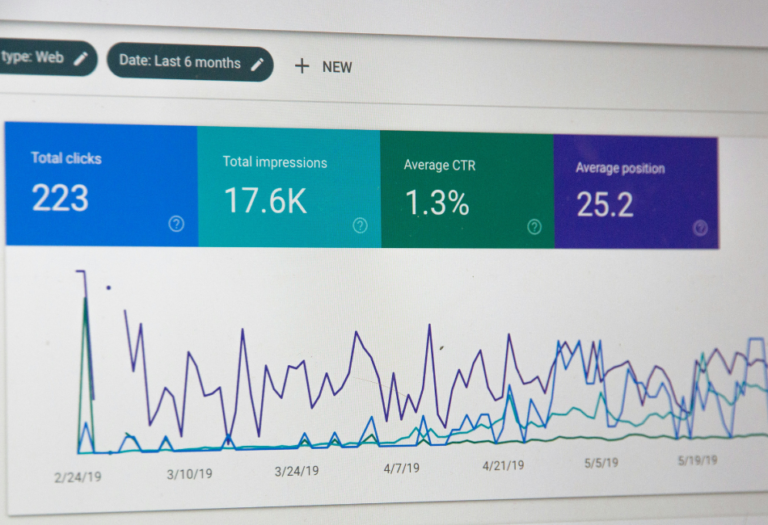
Monthly report leading with bookings, orders and revenue by sequence, list growth and health, and what we’ll test next.
Welcome & Nurture.
New subscriber or new inquiry to first purchase: who you are, what to expect, proof, and an easy next step.
Reminders & Rebooking.
Timed to the service or product’s own cycle, so the customer comes back before they drift to a competitor.
Reactivation.
A three-touch win-back to anyone who’s gone quiet for 6, 12 or 24 months. Usually the first thing we run and the fastest payback.
Launches & Newsletters.
A monthly email worth reading, and a planned sequence around every new offer, location or product.
No. A few hundred past customers is enough for reactivation to pay for itself; the program grows the list from there.
Not if the message is relevant and timed to them. Segmentation and cadence are what prevent that; unsubscribe rate is the health check we watch every month.
Depending on your business, the first wave usually produces bookings or orders within 2 weeks.Â
A flat monthly fee scoped by list size and number of sequences, plus the platform and per-message costs you pay directly. We quote after the List Breakdown.
Paid Digital Advertising
Website Design (UI/UX)
Search Engine Optimization
Branding
Social Media Marketing
AI Search Optimization